Essential Parenting Tips for Singapore Parents to Nurture Happy and Resilient Kids

Parenting in Singapore comes with unique challenges and opportunities. The fast-paced city life, high academic expectations, and diverse cultural influences shape the way children grow up here. Singaporean parents often seek ways to raise children who are not only academically successful but also happy, confident, and resilient. This post offers practical tips tailored to the Singapore context, helping parents nurture well-rounded kids ready to thrive in life.

Create a Supportive Home Environment
Children need a safe and loving space to express themselves and grow. In Singapore’s busy households, parents can focus on:
Consistent routines: Establish regular meal times, study hours, and bedtime. Predictability helps children feel secure.
Open communication: Encourage kids to share their thoughts and feelings without fear of judgment. Listen actively and validate their emotions.
Positive reinforcement: Praise effort and progress rather than just results. This builds confidence and motivation.
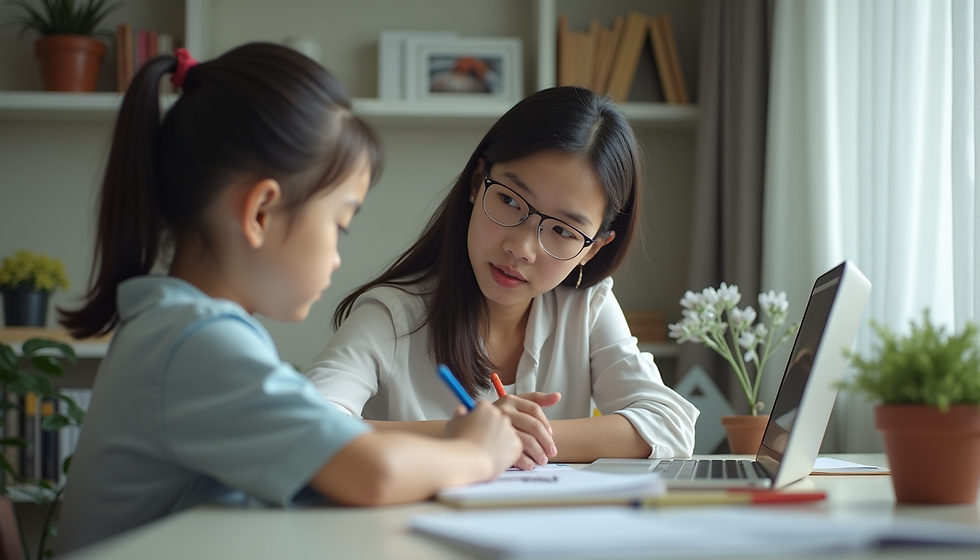
For example, after a long school day, ask your child about their favourite part of the day instead of only focusing on homework. This simple habit strengthens emotional bonds and shows you care about their whole experience.
Balance Academic Expectations with Emotional Well-being
Singapore’s education system is competitive, and many parents worry about their children’s academic performance. While education is important, it should not come at the cost of mental health.
Set realistic goals: Help children set achievable targets based on their strengths and interests.
Encourage breaks: Promote regular downtime and hobbies to reduce stress.
Model healthy attitudes: Show that mistakes are part of learning and not something to fear.
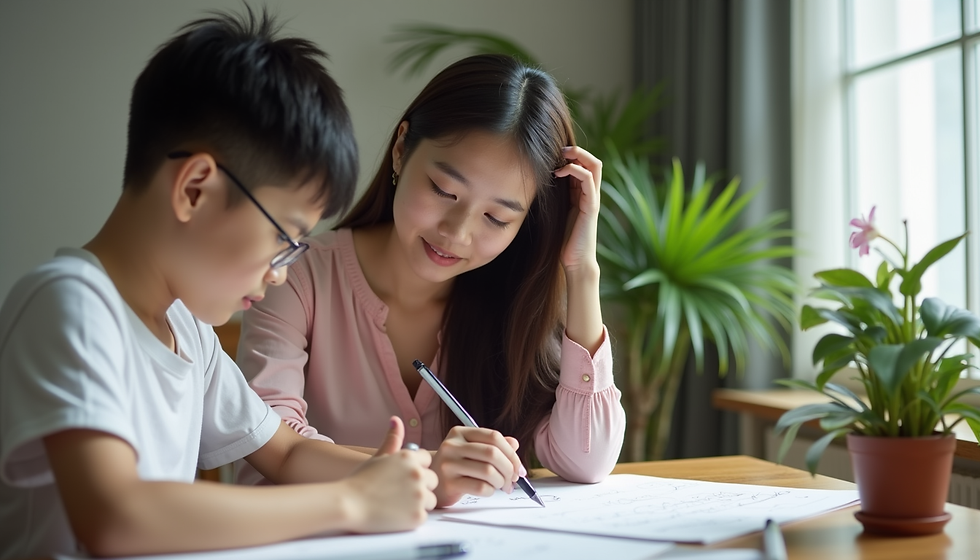
For instance, if your child struggles with a subject, support them by exploring different learning methods or seeking extra help, rather than pressuring them to get perfect grades.
Foster Independence and Problem-Solving Skills
Resilience grows when children learn to face challenges and solve problems on their own. Singapore parents can:
Assign age-appropriate chores: Tasks like tidying their room or helping with groceries teach responsibility.
Encourage decision-making: Let children make choices about their activities or clothing to build confidence.
Discuss challenges: When problems arise, guide kids to think of solutions instead of immediately fixing things for them.
A practical example is involving your child in planning a family outing. This gives them a sense of control and helps develop planning skills.
Promote Social Skills and Empathy
Singapore’s multicultural society offers a rich environment for children to learn respect and empathy. Parents can:
Encourage friendships: Support your child in making friends from different backgrounds.
Teach kindness: Use everyday moments to discuss how actions affect others.
Model empathy: Show understanding and patience in your interactions.
Volunteering as a family or participating in community events can also help children appreciate diversity and develop social awareness.
Prioritize Physical Health and Outdoor Activities
Physical activity supports both mental and physical well-being. In Singapore, where screen time can be high, parents should:
Limit screen time: Set clear boundaries for devices and encourage other activities.
Explore outdoor spaces: Take advantage of parks, nature reserves, and playgrounds.
Engage in family exercise: Walks, cycling, or simple games promote bonding and fitness.
For example, weekend visits to places like East Coast Park or Bukit Timah Nature Reserve provide fresh air and fun exercise opportunities.
Build Emotional Resilience Through Mindfulness
Teaching children to manage emotions helps them cope with stress and setbacks. Parents can introduce:
Mindfulness exercises: Simple breathing or meditation techniques suitable for kids.
Emotional vocabulary: Help children name their feelings to better understand and express them.
Problem-focused coping: Encourage looking for solutions rather than dwelling on problems.
Schools in Singapore increasingly include social-emotional learning, and parents can reinforce these lessons at home.
Encourage Creativity and Curiosity
Creativity nurtures problem-solving and self-expression. Singapore parents can:
Provide creative materials: Art supplies, building blocks, or musical instruments.
Support exploration: Allow children to try new hobbies or interests without pressure.
Celebrate originality: Appreciate unique ideas and efforts.
For example, enrolling children in enrichment classes like art or coding can spark new passions and skills.
Maintain Strong Parent-Child Relationships
A strong bond with parents is the foundation for children’s happiness and resilience. To strengthen this bond:
Spend quality time: Regularly engage in activities your child enjoys.
Show affection: Physical touch and kind words build security.
Be consistent: Follow through on promises and rules to build trust.
Even short daily moments, like sharing a meal or bedtime stories, create lasting connections.

Comments